
Professional customized avocado processing equipment&solutions

We’ve all been there: you pick up an avocado that feels perfect, only to cut it open and find a bruised, stringy, or overripe mess. For decades, this was a gamble everyone took. But today, technology is taking the guesswork out of the avocado aisle. The secret? Sophisticated avocado grading machine vision systems that grade avocados with superhuman precision.
So, how does a machine judge an avocado? It’s far more complex than just checking for a little squish.
Why Grade Avocados?
First, it’s important to know why we grade produce. Consistent grading allows sellers to sort fruit by quality and price. Top-grade avocados can be sold for a premium as fresh produce, while those with minor defects can be diverted to pre-made guacamole or oil. This reduces food waste and ensures you get what you pay for.
The High-Tech Inspection Line
The process is a marvel of modern agriculture. Here’s how it works:
The Ride Begins: Avocados are dumped onto a large, vibrating conveyor belt that spreads them out into a single layer for their individual close-up.
The All-Seeing Eye (Cameras): As each avocado rolls along, it passes under a battery of high-resolution, hyper-speed cameras. These aren’t your average smartphone cameras. They use advanced lighting and sensors to see far beyond what the human eye can perceive.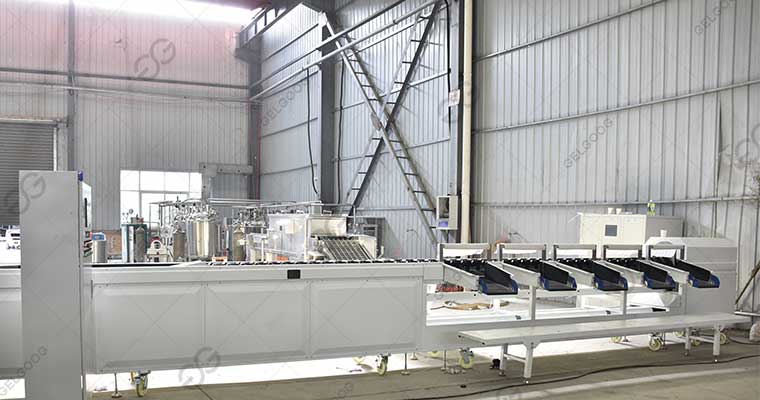
Seeing the Unseen (Beyond the Surface):
External Grading: Standard RGB cameras analyze the avocado’s skin. They detect external flaws like scratches, sunburn, insect damage, and unusual scarring. They can also assess the avocado’s size, shape, and color uniformity with incredible accuracy.
Internal Grading (The Magic Part): This is where it gets really cool. Many systems use near-infrared (NIR) spectroscopy or hyperspectral imaging. These special cameras shoot light at the avocado and measure how it’s absorbed or reflected. Because different chemical structures (like healthy flesh versus a bruise) interact with light differently, the machine can effectively "see" inside the fruit without ever cutting it open. It can detect internal bruising, flesh discoloration, and even the dry matter content—a key scientific indicator of the avocado’s oil content and ripeness.
The Digital Brain (Software): All this visual data is instantly fed to a powerful computer. Complex algorithms, often powered by AI and machine learning, analyze the images. In milliseconds, the software compares the avocado against a massive database of graded fruit and makes a judgment: Grade A, B, or for processing.
The Final Sort (Automation): The computer then instructs a mechanical sorter. This is usually a series of air jets or mechanical arms. As each avocado reaches the end of the line, a precise puff of air pushes it off its conveyor belt and into the correct bin—perfect ones to the left, slightly imperfect ones to the right.
The Result? A Better Avocado for You
This automated, non-destructive process is a game-changer. It’s incredibly fast, processing thousands of avocados per hour with a level of consistency no human team could ever match. The next time you pick up a perfectly ripe, unblemished avocado, there’s a good chance it was given the green light by a powerful AI—ensuring your guacamole, toast, or salad is nothing short of perfect.
 +86 18595613260
 skena@gelgoog.com