
Professional customized avocado processing equipment&solutions

Avocados are delicate fruits that require careful handling, especially in large-scale production. Proper washing in a factory setting is crucial to ensuring food safety, removing contaminants, and maintaining fruit quality. This article details the best practices for washing avocados in an industrial setting, making them easy to understand and highlighting key considerations.
The Importance of Washing Avocados
Avocados are often grown in open fields, making them susceptible to dust, soil, pesticides, and microbial contamination. Washing removes surface dirt, residue, and potential pathogens, ensuring the fruit is safe to eat. Proper washing also reduces the growth of spoilage bacteria, thereby extending shelf life.
Pre-Washing Inspection
Before avocados enter the washing line, they must be inspected for visible defects. Damaged, overripe, or rotten avocados should be removed to prevent contamination of healthy avocados. Sorting ensures that only high-quality avocados are passed on to the next stage of the process.
Factory Washing Steps
Preliminary Rinse
Begin by gently rinsing the avocados with clean water. This helps remove surface dirt and debris. Industrial washing systems typically use conveyors to transport avocados to water spray or soaking tanks.
Brushing
Some industrial avocado washing line use a soft brush or water agitation to gently scrub the avocados. This is particularly effective for avocados with rough or textured skins, ensuring all surfaces are thoroughly cleaned without bruising.
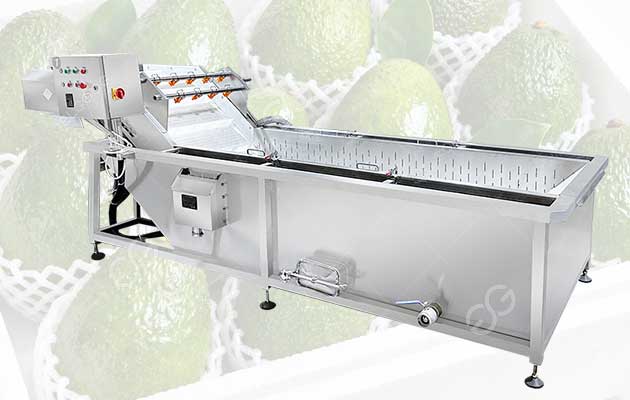
Rinsing and Draining
After washing, rinse the avocados thoroughly with potable water to remove any detergents. Proper drainage is crucial to prevent excess moisture, which can lead to mold growth during storage.
Drying
After washing, the avocados are dried using air blowers or suction drums. Drying reduces surface moisture, helping to maintain fruit quality during storage and transport.
Key Considerations
Water Quality: Always use potable water and monitor water quality regularly to prevent contamination.
Gentle Handling: Avocados bruise easily, so equipment must minimize shock and friction.
Temperature Control: Avoid using extremely hot or cold water, as extreme temperatures can affect fruit quality.
Regular Maintenance: Clean washing equipment frequently to prevent microbial growth and ensure consistent performance.
Conclusion
Proper avocado washing in a factory involves more than just rinsing. It also involves careful inspection, disinfection, gentle cleaning, and proper drying to ensure food safety and maintain quality. By following these steps, factories can provide consumers with fresh, clean avocados while minimizing the risk of spoilage and contamination.
 +86 18595613260
 skena@gelgoog.com