
Professional customized avocado processing equipment&solutions

There’s nothing quite like the taste of homemade guacamole, with its chunky texture and bright, fresh flavor. But when you’re feeding a crowd or just need a quick snack, the tubs of guacamole in the refrigerated section are a lifesaver. Have you ever wondered how they make it on such a massive scale while keeping it green and tasty? The process is a fascinating blend of agriculture, food science, and smart logistics.
It all starts, of course, with the avocado. Commercial producers don’t just use any avocados; they primarily rely on Hass avocados. Why? Because Hass avocados have a higher oil content and richer flavor, and their thick, pebbly skin makes them more durable for shipping and handling. These avocados are harvested from vast orchards and must be perfectly ripe for mashing.
The Factory Guacamole Processing Line: From Whole Fruit to Dip
Once the avocados arrive at the processing plant, the clock starts ticking. The goal is to preserve freshness as quickly as possible.
Washing and Prep: The avocados are thoroughly washed. Then, they’re sliced in half, the pit is removed, and the flesh is scooped out from the skin—all often done by high-speed, automated machines.
Mashing and Mixing: This is where the recipe comes to life. The avocado pulp is moved to large mixing vats. Here, other ingredients are added according to a specific formula. This typically includes:
Acidulants: Lime juice or citric acid is crucial. It not only adds tangy flavor but also acts as a natural preservative, slowing down the oxidation that causes browning.
Vegetables & Herbs: Diced onions, jalapeños, cilantro, and tomatoes are added. To ensure consistency and safety, these are often dehydrated or frozen and pasteurized to eliminate bacteria.
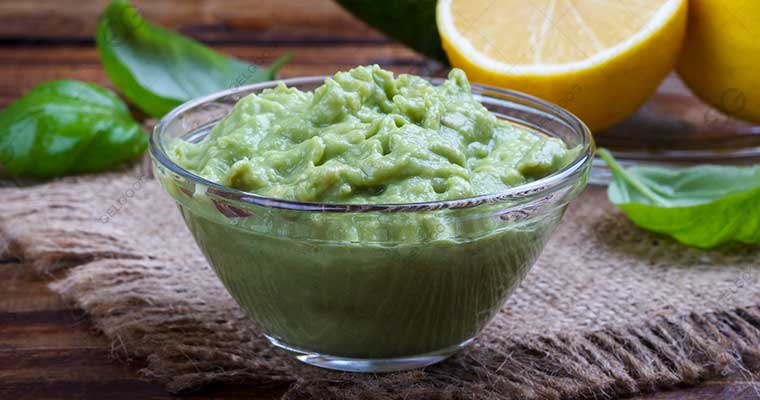
Salt and Seasonings: Salt and other spices balance the flavors.
The Battle Against Browning: This is the biggest challenge. Besides the citric acid, manufacturers take an extra step to lock in that vibrant green color. Before sealing the tubs, a burst of nitrogen gas is often blown over the surface of the guacamole. This displaces the oxygen in the headspace of the container—and since oxygen is the enemy of a fresh-looking avocado, this simple trick significantly extends the product’s green lifespan.
You’ll find two main types of commercial guacamole:
Refrigerated (Fresh): This version relies on the methods above (acid and nitrogen flushing) to stay fresh for a few weeks. It’s usually found in the dairy or deli section and aims to mimic a homemade taste more closely.
Shelf-Stable: Packaged in sealed pouches or jars, this guacamole is heat-treated (pasteurized) to kill any microorganisms, allowing it to sit on a non-refrigerated shelf for months. This process can sometimes alter the texture and give it a slightly cooked flavor compared to the refrigerated kind.
So, the next time you pick up a tub of store-bought guac, you’ll appreciate the careful science and speed that goes into making it. While it might not replace the joy of making it yourself with a molcajete, it’s a testament to modern food production that we can enjoy this delicious dip anytime, anywhere.
 +86 18595613260
 skena@gelgoog.com