
Professional customized avocado processing equipment&solutions

Frozen avocados are a convenient way to enjoy the creamy texture and nutritional benefits of fresh avocados year-round. The industrial process of preparing and packaging frozen avocados is carefully designed to preserve flavor, color, and nutrients while extending shelf life. Here's a step-by-step look at how it’s done.
1. Sourcing and Selection
The process begins with selecting high-quality avocados, typically the Hass variety due to its rich flavor and smooth texture. Fruits are harvested at optimal ripeness—firm yet yielding—to ensure they can withstand processing without damage. Advanced sorting systems grade the avocados based on size, ripeness, and the absence of defects.
2. Cleaning and Sanitizing
Once selected, the avocados are thoroughly washed using high-pressure water jets and rotating brushes to remove dirt, debris, and surface microbes. A food-grade disinfectant or citric acid rinse is often used to ensure food safety.
3. Peeling, Pitting, and Cutting
Mechanical peelers and pitters are used to efficiently remove the skin and seed. The avocado flesh is then cut into halves, slices, or chunks depending on the final product. This step is done with precision to minimize waste and preserve the fruit’s integrity.
4. Anti-Browning Treatment
To prevent oxidation and browning, the avocado pieces are dipped in an antioxidant solution. Common treatments include ascorbic acid (vitamin C), citric acid, or lemon juice. Some processors also use a quick blanching method to deactivate enzymes that cause discoloration.
5. Flash Freezing (IQF)
The key to preserving texture and nutrients is flash freezing using Individual Quick Freezing (IQF) technology. Avocado pieces are rapidly frozen at temperatures between -30°C to -40°C (-22°F to -40°F) in just a few minutes. This method prevents the formation of large ice crystals, which can damage cell structure and cause mushiness upon thawing.
6. Packaging
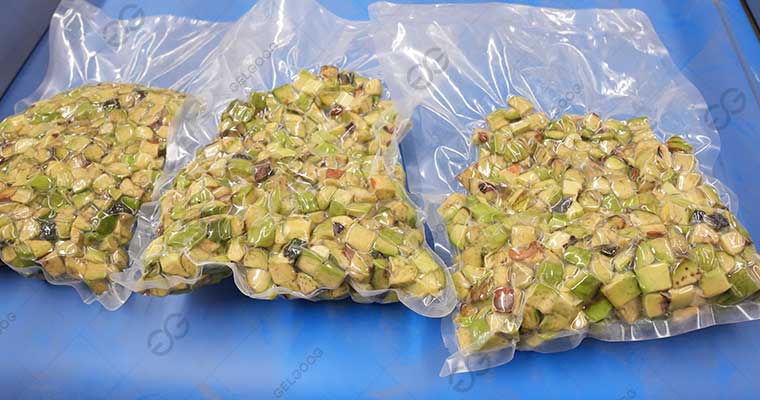
Once frozen, the avocado pieces are immediately packaged in airtight, food-grade bags or containers. Many manufacturers use vacuum sealing or nitrogen flushing to remove oxygen, which helps prevent freezer burn and further oxidation. Packaging is often portion-controlled for convenience and labeled with product details such as variety, production date, and nutritional information.
7. Cold Storage and Distribution
The final product is stored in cold storage facilities at -18°C (0°F) or lower. From here, it is distributed in refrigerated trucks to maintain the cold chain until it reaches retailers, restaurants, or consumers.
Conclusion
Gelgoog offers a practical frozen avocado processing solution, allowing you to enjoy this nutritious fruit without having to peel, pit, or worry about spoilage. Thanks to modern food processing technology, frozen avocados retain most of the flavor, color, and health benefits of fresh avocados, making them a versatile ingredient in smoothies, salads, guacamole, and more.
 +86 18595613260
 skena@gelgoog.com