
Professional customized avocado processing equipment&solutions

We’ve all been there: you pick up an avocado that feels perfect, only to get home and find it’s either rock-hard or already bruised and stringy inside. Wouldn’t it be great if there was a reliable way to know the quality of an avocado before you buy it? Well, there is! The produce industry uses a official grading system, much like the one for eggs or meat, to classify avocados.
Understanding these grades can transform you from a guesswork shopper into a savvy avocado connoisseur. So, let’s break down the different grades of avocados you might encounter.
The Official USDA Grades: No. 1, No. 2, and No. 3
The United States Department of Agriculture (USDA) sets the standards. These grades are based on factors like color, shape, texture, and—most importantly—the amount of visible defects.
This is the grade you’re most likely to see at your local grocery store. To earn this top-tier designation, an avocado must be of good quality and meet some strict criteria:
Minimal Blemishes: It can have only very slight scratches or scuffs on the skin. These marks must not affect the flesh inside.
Good Shape: The avocado must be "well-formed," meaning it’s not overly misshapen or lumpy.
Cleanliness: It should be free from dirt and pests.
Color: The skin color should be typical for its variety (dark green or black for Hass, bright green for Fuerte, etc.).
In short, a U.S. No. 1 avocado is the picture of perfection. It’s the one you’d proudly use for Instagram-worthy avocado toast or a beautiful salad.
This grade is a step down in appearance but can still be perfectly delicious. Avocados in this category have more obvious visual flaws, such as:
More Noticeable Scarring: You might see darker scuffs or scratches covering a larger area of the skin.
Shape Irregularities: They can be slightly lumpy or uneven.
Rough Texture: The skin might be rougher than a No. 1 grade.
The key thing to remember is that these are only surface-level defects. The internal flesh is often untouched and just as tasty. You’ll often find these sold at a discount or used for pre-made guacamole, sauces, and other products where appearance doesn’t matter.
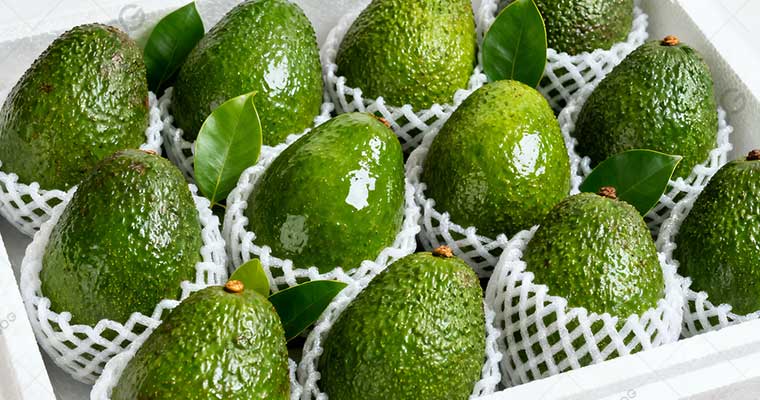
This is the lowest grade and you’ll rarely find these sold whole in stores. U.S. No. 3 avocados have significant defects, including:
Deep Scars or Cuts: Blemishes that are severe enough to potentially affect the fruit’s shelf life or the quality of the flesh underneath.
Major Discoloration: Extensive skin issues that go beyond simple scarring.
These avocados are typically sent directly to avocado processing plant to be mashed into guacamole, avocado oil, or frozen avocado pulp.
It’s crucial to remember that the USDA grade is about quality and appearance, not ripeness. A perfect U.S. No. 1 avocado can be hard as a rock or mushy and overripe. The grade tells you about its inherent quality, but you still need to do the gentle squeeze test near the stem to gauge its readiness.
Next time you’re shopping, look for the U.S. No. 1 grade for the best-looking fruit. But don’t automatically dismiss a slightly scuffed-up avocado—it might be a U.S. No. 2, offering fantastic flavor at a better price. Now that you know the grades, you can shop with confidence and waste less food, making your avocado experience smoother than a perfectly ripe Hass.
 +86 18595613260
 skena@gelgoog.com